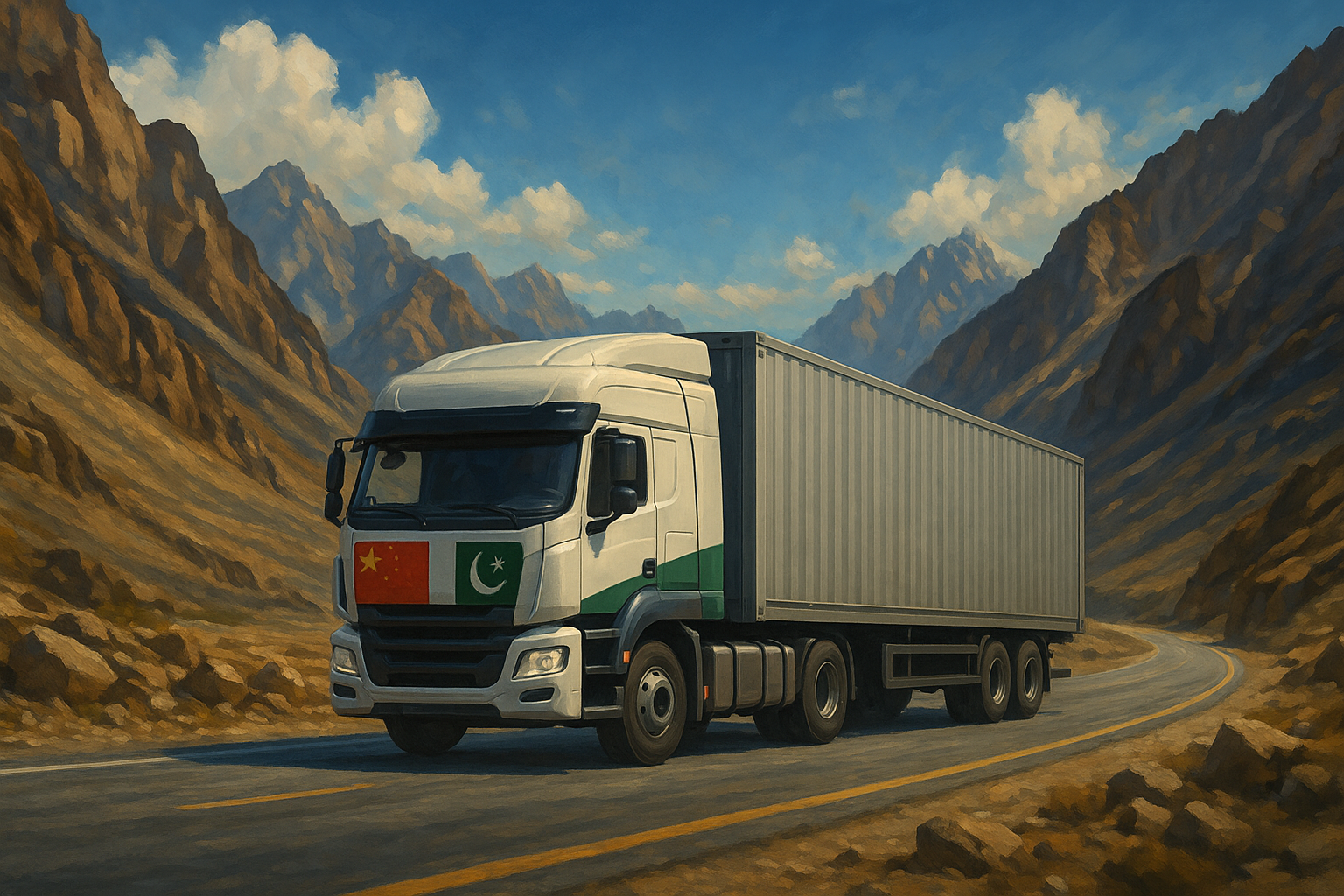
In the evolving landscape of international trade, logistics is more than just moving goods—it’s about finding the most efficient, reliable, and cost-effective transportation method. When it comes to shipping from China to Pakistan, businesses have three main options: sea freight, air freight, and road freight. While sea and air have long been dominant, road freight is rapidly emerging as a game-changer, especially along the China-Pakistan Economic Corridor (CPEC).
This blog explores the key reasons why road freight is an increasingly preferred choice for businesses moving goods between these two strategically linked countries.
1. Strategic Geographic Connectivity
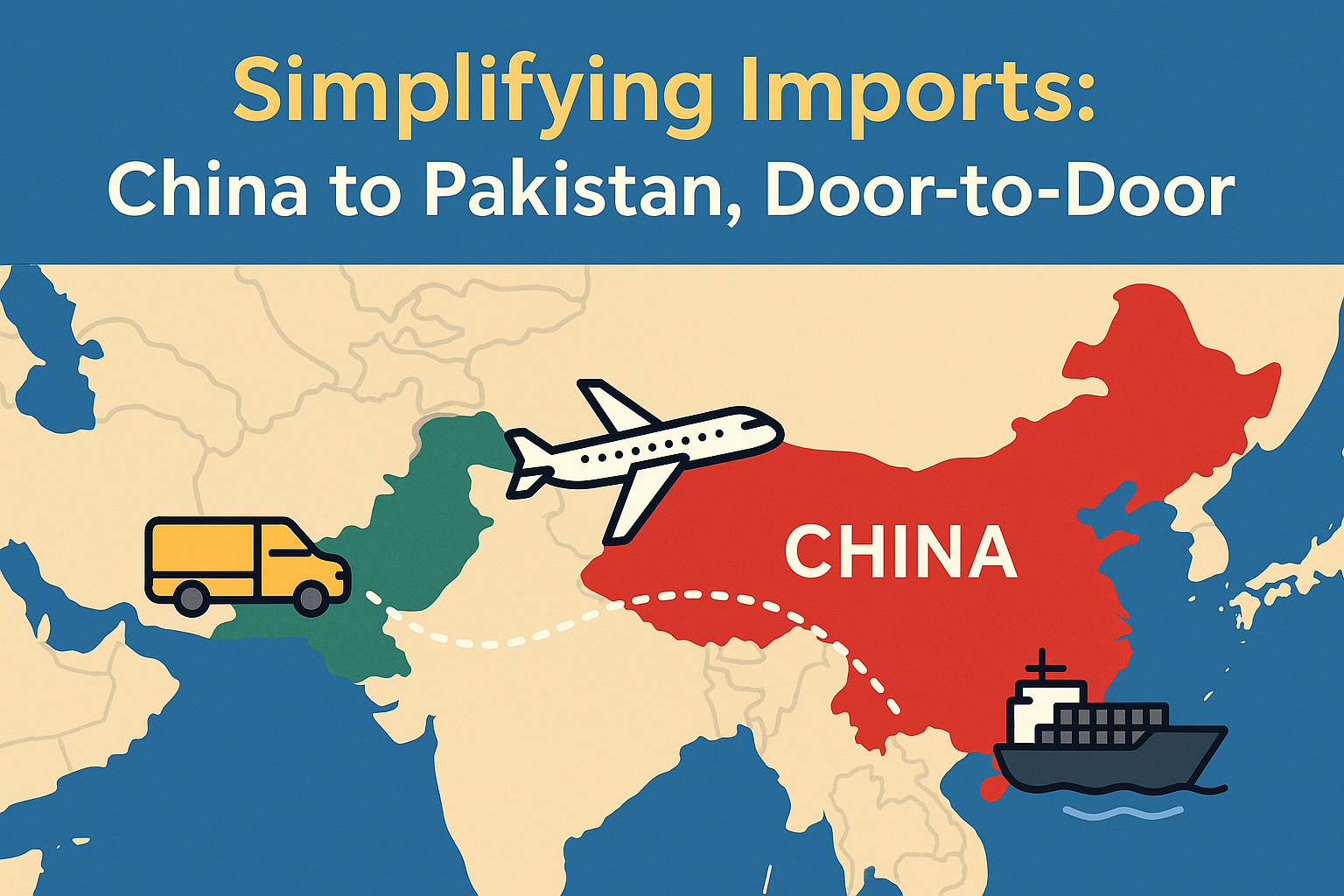
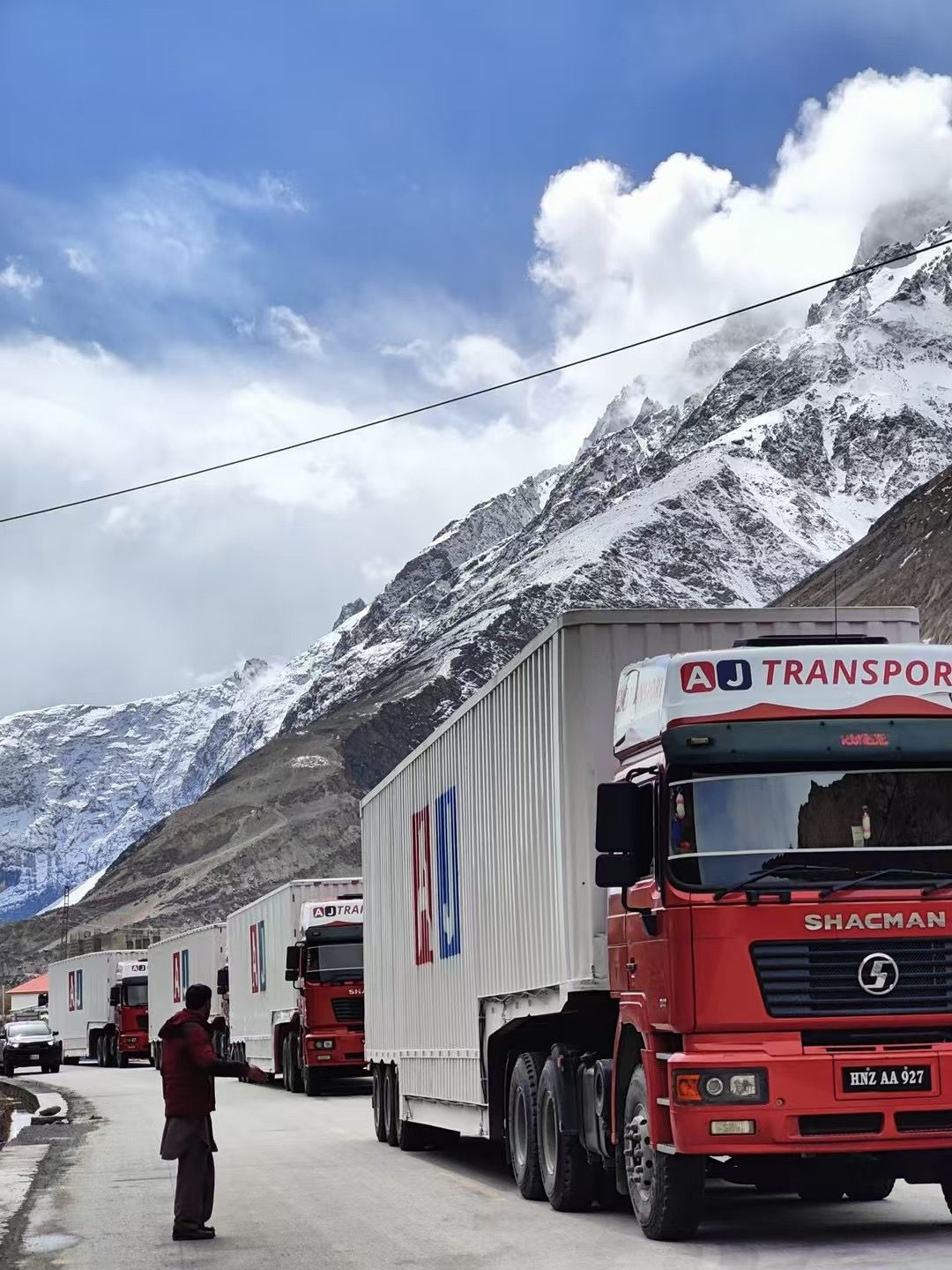
One of the most compelling reasons for choosing road freight is the direct land route between China and Pakistan, facilitated by CPEC—a flagship project under China’s Belt and Road Initiative (BRI). This route connects China’s Xinjiang province with Pakistan’s Gwadar Port via a network of highways, including the Karakoram Highway, one of the highest paved international roads in the world.
Key Benefits:
- Direct access without the need for transshipment
- Reduced risk of delays associated with congested sea ports
- Simplified customs and border processing under bilateral agreements
2. Faster Transit Times than Sea Freight
Sea freight, while cost-effective for bulk shipments, often takes 20–40 days from China to Pakistan, depending on the port and handling procedures. In contrast, road freight can reduce this transit time significantly—often to just 5–10 days, depending on the origin and destination.
Why it matters:
- Businesses dealing with perishable goods or fast-moving consumer goods (FMCG) benefit from quicker delivery
- Shorter lead times improve inventory turnover and reduce holding costs
3. Lower Costs than Air Freight
Air freight is undoubtedly the fastest mode of transport, but it comes with a high price tag. For many businesses, especially SMEs, air shipping is not economically viable for large volumes or lower-margin goods. Road freight strikes a balance by offering:
- Competitive pricing
- Predictable costs
- Scalable solutions for partial or full truckloads
Pro Tip: Companies looking to optimize their logistics costs without compromising too much on speed often find road freight to be the perfect middle ground.
4. Increased Flexibility and Door-to-Door Delivery
One of the significant advantages of road freight is its flexibility. Unlike sea or air freight, which often require multimodal transfers (port to warehouse, airport to final destination), road freight offers seamless door-to-door delivery.
Benefits:
- No reliance on third-party port or airport operators
- Easier tracking and real-time updates with GPS-enabled fleet management
- Customizable routes and schedules to meet client-specific needs
5. Reduced Risk of Handling Damage
With fewer transshipments involved, road freight lowers the chances of cargo damage compared to air or sea, where goods are often transferred multiple times between containers, warehouses, and vehicles.
This is especially important for:
- Fragile or high-value items
- Industrial equipment
- Sensitive electronics
6. Environmental and Regulatory Considerations
Modern trucks, particularly those used in cross-border trade, are increasingly eco-friendly and compliant with international emission standards. Additionally, road freight offers a smaller carbon footprint than air freight, aligning with global trends toward sustainable logistics.
From a regulatory standpoint:
- Pakistan and China have established logistics cooperation under CPEC, simplifying customs procedures and encouraging the use of the overland route.
7. Adaptability in Crisis Situations
The COVID-19 pandemic highlighted the vulnerability of global supply chains, especially those dependent on air and sea freight. Road freight proved to be more resilient, particularly in intra-regional trade between China and Pakistan.
Reasons:
- Fewer disruptions from port closures or flight cancellations
- Easier rerouting in case of delays
- Localized control over operations
8. Ideal for B2B and E-commerce Growth
With the rise of B2B trade and e-commerce between China and Pakistan, especially in sectors like textiles, electronics, and auto parts, road freight offers:
- Scalable options for LTL (Less-than-Truckload) or FTL (Full Truckload)
- Faster restocking for retailers and distributors
- Better responsiveness to market demand
Conclusion
As trade ties between China and Pakistan deepen, road freight stands out as a reliable, flexible, and cost-efficient logistics solution. Its strategic advantages—faster delivery times than sea, lower costs than air, and seamless door-to-door service—make it the ideal choice for businesses looking to optimize cross-border supply chains.
Whether you’re a large enterprise or a growing SME, incorporating road freight into your logistics strategy could be the competitive edge your business needs in 2025 and beyond.